
Why Top College Programs are Using LUXY for Recruitment
Jul 9, 2026
5 min
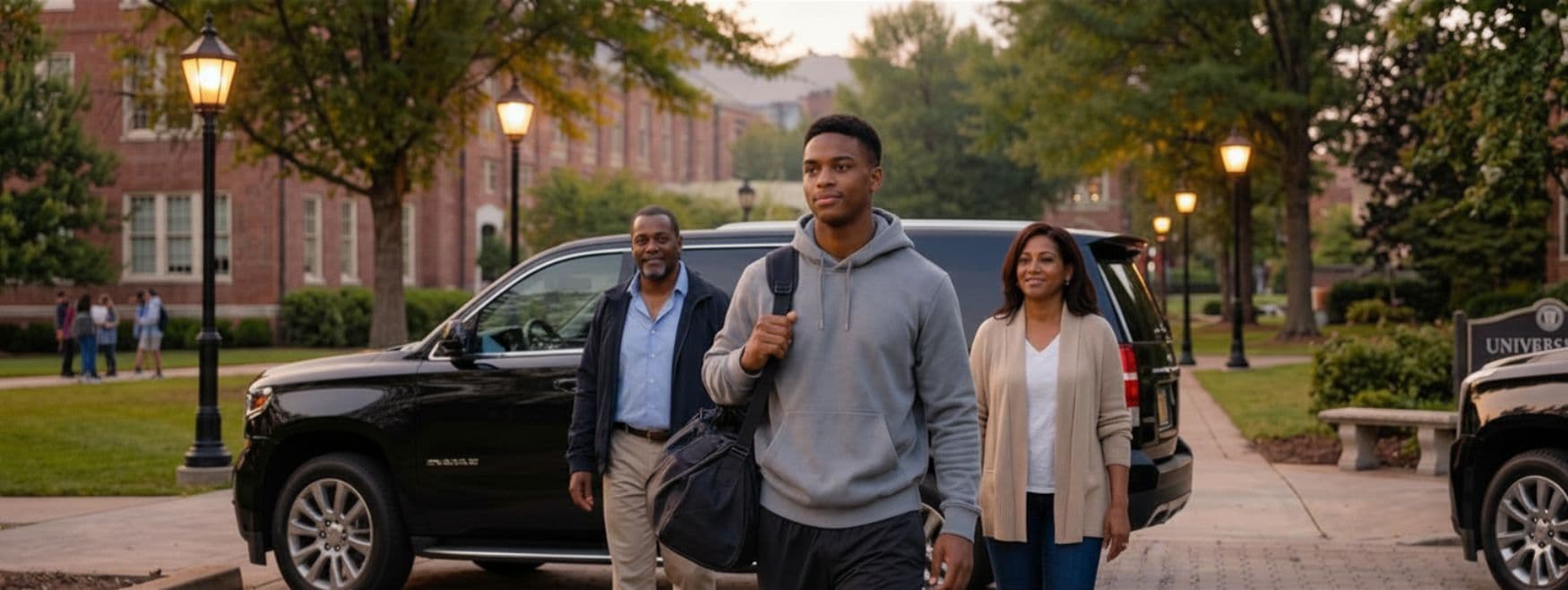
In Division I recruiting, the visit starts the moment a prospective student-athlete walks out their front door. Long before the campus tour or the meeting with the coaching staff, a recruit and their family form an impression of how a program operates. That first drive to campus sets the tone for everything that follows.
Top university programs across the nation understand this, which is why college recruiting transportation is now treated as part of the recruiting experience rather than a last-minute logistics problem. According to NCSA College Recruiting, coaches evaluate a recruit throughout the entire official visit, watching how questions are answered and how the athlete treats their own family. If the program is being evaluated too, that evaluation begins at the airport curb.
Arrange Recruiting Transportation
The Recruiting Visit is a Presentation, and it Begins at the Curb
The NCAA allows a school to finance a recruit's travel to and from campus, along with lodging, meals, and tickets to a home event during an official visit (NCSA, Official Visits). Since 2023, when the Division I Council removed the cap on official visits, top prospects have been comparing programs side by side more than ever before.
When a recruit lands to find a professional chauffeur holding their name, they feel expected, valued, and prioritized. When they land to a delayed rideshare and a scramble at the curb, they feel like an afterthought. That contrast is immediate, and it is remembered.
Athletic recruiting transportation service is not about spectacle. It is about being intentional. A program that manages the details of a ride signals that it manages the details of everything else, from academic support to travel for away games. How you show up often speaks louder than what you say.
What Reliable Campus Transportation Communicates to Families
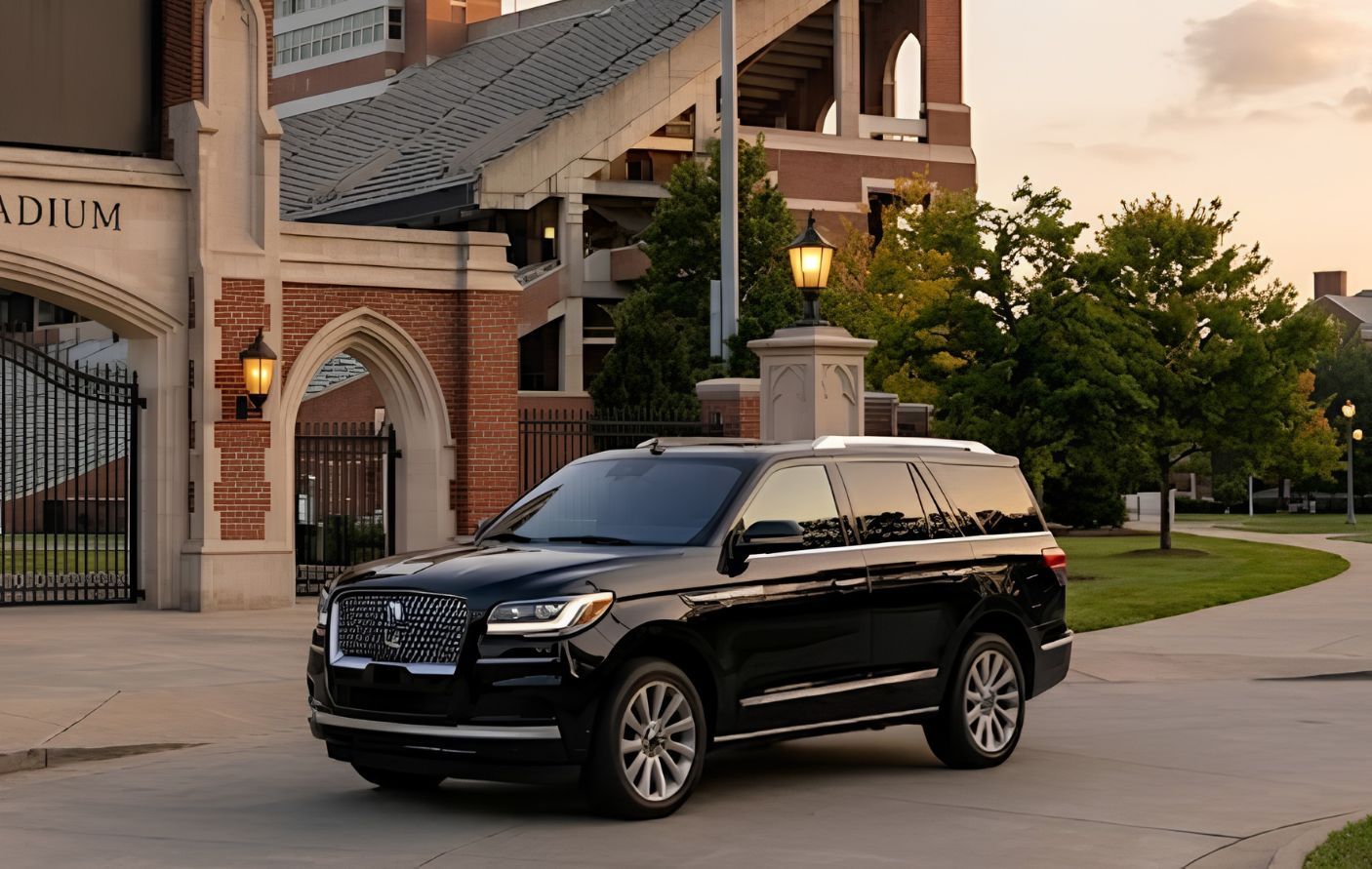
Parents notice logistics. NCSA notes that when the conversation turns to finances and the college decision, coaches expect parents to step in (NCSA, Official Visits). Long before that conversation, parents are deciding whether this program is organized and trustworthy.
Reliable campus transportation answers that question quietly. A vehicle that arrives on time, a chauffeur who knows the route between the airport, the hotel, and the athletic complex, and door-to-door transportation for recruits that removes any guesswork all tell a family the same thing. This program does not leave things to chance.
The NCAA governs travel and expense arrangements with detailed policy, from booking procedures to documentation and reimbursement standards (NCAA, Committee Travel Policies). Programs that operate within structured travel frameworks value transportation partners who provide upfront pricing, confirmed bookings, and a clear digital record of every trip. That is what universities get when they arrange premium transport through the LUXY platform.
Why Programs Choose Black Car Service for College Recruiting
LUXY is a technology platform that connects passengers with a nationwide network of licensed, insured professional chauffeurs and partner transportation companies. Trips are booked through the platform and performed by our partners, giving athletic departments one consistent standard whether a recruit is flying into a home market or a campus across the country.
For programs coordinating visits across a season, that consistency is the point. A black car service for athletic programs needs to perform the same way in every city, every time. The LUXY nationwide network spans more than 100 airports and 5,000 cities, backed by 1,000+ licensed and insured partner operators and 24/7 support. Programs are not stitching together a different local provider for every visit. They arrange it once, through one platform.
Chauffeured transportation for college recruits also protects the recruiting timeline. Official visits can run up to 48 hours across a single weekend, and every hour is scheduled (NCSA, Official Visits). A missed pickup or a chauffeur who cannot find the terminal does not just create stress. It eats into a window the program cannot get back.
Looking to handle multiple rides at a time?
Executive Transportation for Universities
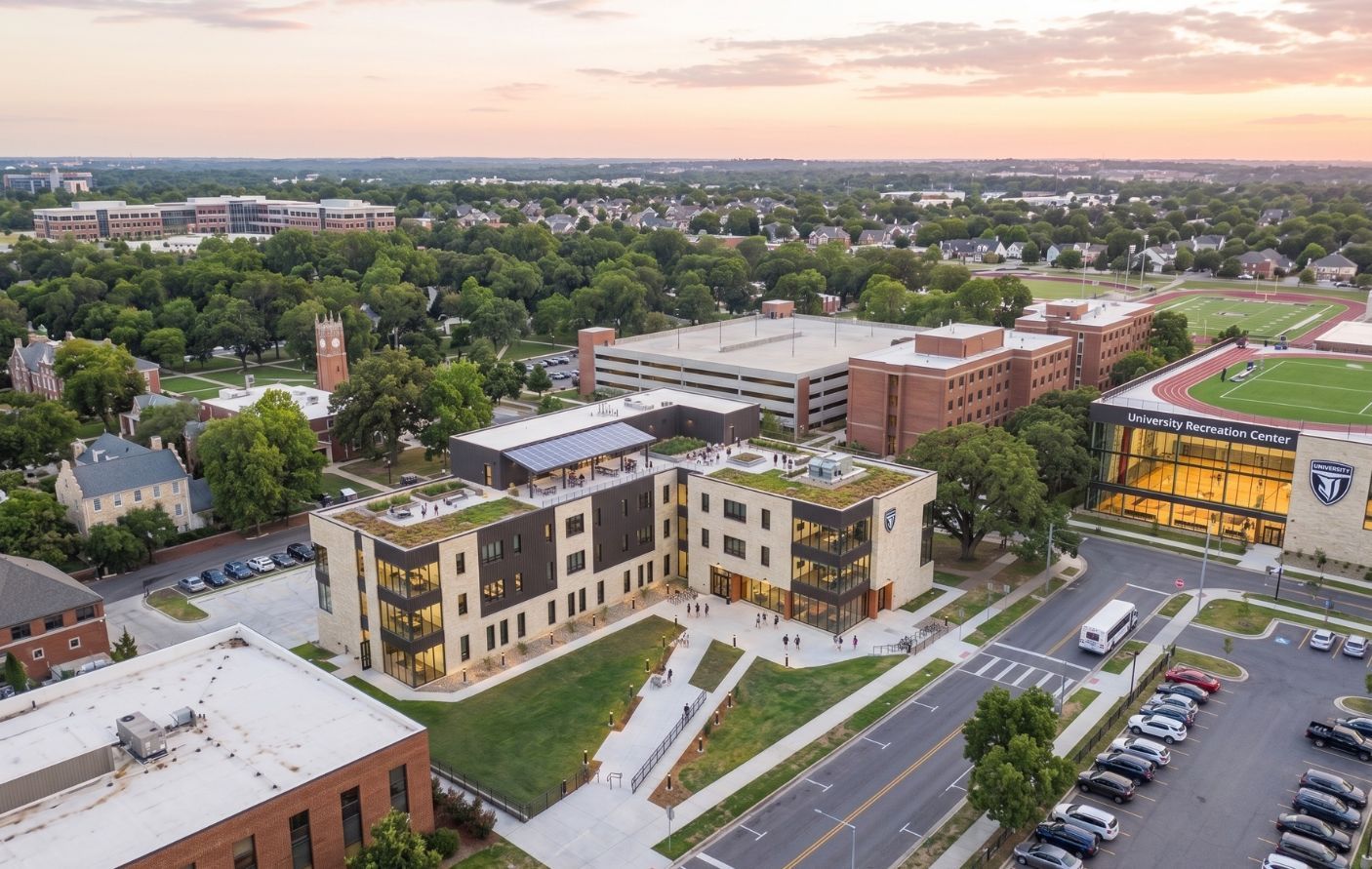
Athletic departments are not the only part of a university that moving important people through busy travel days. Many institutions already rely on executive transportation for universities to transport trustees, donors, visiting faculty, and guest speakers. Recruiting should have the same discipline applied, as it can be the most scrutinized visitors a program hosts all year.
VIP transportation for college visits gives an incoming recruit the sense that they are part of something serious from the start. The partner's vehicle is clean and comfortable, the professional chauffeur is discreet and prepared, and the family can focus on the campus instead of the curb. When the visit ends, the department has an all-inclusive, documented record of the trip rather than a pile of rideshare receipts to reconcile.
When a program arranges university recruiting visit transportation through the LUXY platform, it is booked in advance with pricing locked at the time of booking. Rates are all-inclusive of gratuities and tolls. There is no surge pricing during a home-game weekend when every rideshare in town is spiking, and no scramble when a flight lands late.
The Advantage in a National Recruiting Landscape
Power 5 programs compete nationally for talent, and they win recruits on the margins. Facilities, coaching, academics, and culture do the heavy lifting, but the details around them either reinforce the pitch or undercut it. Transportation is one of the few details a program controls completely.
A recruit who feels looked after from the moment they land remembers it. So do the parents who watched the whole thing run without a hitch. In a landscape where a prospect might visit a dozen schools, the program that made travel feel handled has already made its argument about how it operates.
Consistency, professionalism, and trust matter long before kickoff. For the recruiting visits that matter, programs across the country arrange transportation through LUXY. The same standard applies whether the passenger is an executive or a top recruit, much as a professional chauffeur service supports demanding travel schedules for business travelers.
Book Recruitment Transport Now
College Recruitment FAQ
What happens during a college athletic recruiting visit?An official visit is any campus visit financed in part by the school, and it typically includes a campus tour, meetings with coaches and academic staff, time with current team members, and attendance at a home sporting event. A visit can last up to 48 hours across a single weekend. Coaches evaluate a recruit's personality, character, and fit throughout the trip, so the experience is as much an assessment of the athlete as an introduction to the program (NCSA, Official Visits). Well-planned university recruiting visit transportation keeps every scheduled hour on track.
Why are official visits important for student-athletes?Official visits are often the final piece a recruit uses to decide whether a school is the right fit. An invitation signals that the coach considers the athlete a top target, and the visit offers a firsthand look at the campus, the team culture, and the daily life the recruit would step into for four years. Since 2023, Division I recruits can take an unlimited number of official visits, which makes each program's presentation, including its athletic recruiting transportation service, a direct point of comparison (NCSA, Official Visits).
How do first impressions impact recruiting decisions?First impressions frame everything that follows. The airport pickup is usually the very first interaction a recruit and their family have with a program's operations, and a smooth, professional arrival signals that the program handles details with care. Chauffeured transportation for college recruits turns that first moment into a statement of standards, while a chaotic or late arrival can undercut an otherwise strong pitch before the tour even begins.
What do top Division I programs focus on during recruiting visits?Top Division I programs focus on fit, character, and how a recruit interacts with coaches, teammates, and family. Coaches watch whether an athlete is respectful and engaged, and they use the full visit to gauge whether the recruit will strengthen the roster and the culture (NCSA, Official Visits). Programs also focus on the details they control, including reliable campus transportation, so the recruit's attention stays on the decision in front of them.
Why do universities provide transportation for recruits?The NCAA permits schools to finance a recruit's travel to and from campus during an official visit, so transportation is a standard part of a well-run visit (NCSA, Official Visits). Beyond compliance, universities arrange door-to-door transportation for recruits because it removes friction for the family, keeps the itinerary on schedule, and demonstrates the same operational care the program brings to travel, academics, and competition all year.
Should athletic programs use professional transportation instead of rideshare?For recruiting visits, a professional chauffeur service offers a level of reliability and presentation that on-demand rideshare cannot match. A pre-arranged black car service for college recruiting comes with a confirmed booking, a chauffeur familiar with the campus and airport, and pricing locked in advance. Rideshare, by contrast, is subject to surge pricing, cancellations, and no guarantee of who arrives, which is a poor fit for a high-stakes visit.
What are the risks of relying on last-minute rideshare for recruiting visits?Last-minute rideshare introduces several risks during a recruiting weekend. Surge pricing spikes during home events, drivers can cancel with no backup, and a recruit may be left waiting at the curb during a window the program cannot recover. There is also no consistent standard of vehicle or service and no clean record for the department's expense reporting. Arranged premium transport removes those variables with confirmed, pre-booked pickups and upfront pricing.
How does reliable transportation improve the recruiting experience?Reliable transportation lets the recruit and their family focus on the visit itself rather than the logistics around it. VIP transportation for college visits means an on-time arrival, a comfortable and professional ride, and door-to-door service that connects the airport, the hotel, and the athletic facilities without a hitch. That reliability reinforces the program's message about how it operates and leaves a lasting impression on the people making the decision.
Popular Categories
Related Articles
Why Top College Programs are Using LUXY for Recruitment
Top programs arrange chauffeured transportation for college recruits through LUXY. See why athletic programs choose black car service for recruiting visits.
2026 Must-Have Toolkit for Travel Advisors
Discover the must-have travel management tools saving time for travel advisors and corporate travel managers in 2026.