
Uber and Lyft Safety Concerns: What Federal Reviews and Reports Reveal
Feb 13, 2026
5 minutes
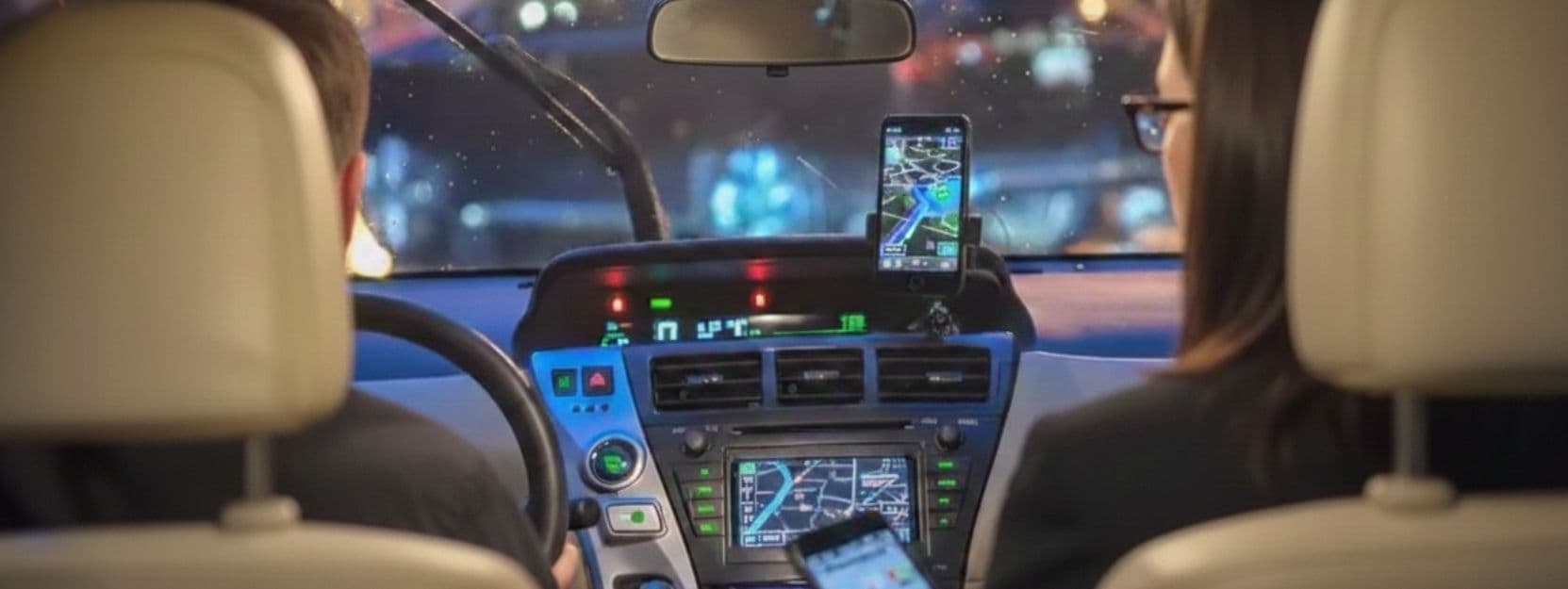
Rideshare apps have changed how we travel. With a few taps, you can book a ride almost anywhere. But as usage has grown, so have concerns around rideshare safety.
Many travelers now ask:
- Is Uber safe?
- Is Lyft safe?
- What are the real rideshare safety risks?
- What is the safest way to get home at night?
While platforms like Uber and Lyft offer convenience, numerous reports and federal reviews have raised ongoing concerns about passenger and driver safety.
If safety is a priority for your airport transfer, corporate travel, or late-night ride home, it is important to understand the documented risks and how a licensed black car service differs.
Documented Uber and Lyft Safety Concerns
1. Assault and Misconduct Reports
Rideshare safety concerns escalated after safety transparency reports revealed thousands of sexual assault allegations connected to rides. Investigative coverage by USA Today detailed internal company data and reporting gaps related to passenger safety.
Additionally, federal oversight bodies including the U.S. Government Accountability Office have evaluated weaknesses in rideshare and taxi safety frameworks, identifying inconsistencies in reporting standards and oversight.
The volume of complaints has led many passengers to question whether rideshare apps provide sufficient safeguards, especially for women traveling alone at night.
Are Ubers unsafe for women?
Unfortunately, assault allegations involving rideshare drivers have disproportionately impacted female passengers. Women traveling alone should be particularly cautious and consider options with verified professional drivers and more secure driver/passenger validation methods.
2. Driver Verification Limitations
Rideshare companies conduct background checks on drivers, typically through third-party screening services. These checks often include criminal history database searches and motor vehicle records.
However, concerns remain about the depth and consistency of these screening processes.
The U.S. Government Accountability Office has reviewed safety oversight gaps across rideshare and taxi services, noting inconsistencies in reporting standards and regulatory coverage. Because rideshare drivers are classified as independent contractors, oversight frameworks can differ significantly from those applied to licensed commercial transportation providers.
Investor groups have also raised concerns about driver safety oversight at Uber shareholder meetings, according to the Interfaith Center on Corporate Responsibility.
These concerns highlight a key distinction between rideshare apps and licensed black car services. Professional chauffeur services typically operate under stricter commercial requirements, including regulated licensing, structured driver screening, and local-level accountability.
3. Insurance Gaps: Commercial vs Personal Coverage
Another major rideshare safety issue involves insurance coverage.
Rideshare drivers often use personal vehicles with hybrid insurance policies that activate only during specific ride phases. Coverage can vary depending on whether:
- The app is on
- A ride is accepted
- A passenger is in the vehicle
Licensed black car services operate with full commercial insurance policies at all times. Commercial insurance typically carries higher liability limits and clearer coverage terms.
For passengers, commercial insurance vs personal insurance can mean stronger financial protection in the event of an accident.
4. Vehicle Standards and Safety Protocols
Rideshare vehicles are privately owned. While rideshare companies may loosely require driver vehicles to meet age and condition guidelines, they are not well enforced and not centrally maintained as chauffeured vehicles are.
Black car services generally enforce:
- Vehicle age limits
- Routine safety inspections
- Strict standards for vehicle interiors and exteriors
- Verified chauffeur assignment per trip
At the end of the day, the main difference comes down to standardization and accountability. This is not something you may want to risk when choosing who to ride with.
5. Incorrect Pickups and Impersonation Risks
One of the most common rideshare safety risks involves entering the wrong vehicle. These incidents often occur involving driver impersonation or passengers entering the wrong car.
Rideshare Safety Tips
If using rideshare, always be on alert:
- Match the license plate exactly
- Confirm the driver’s name before entering
- Share your ride tracking with a trusted contact
- Monitor the route in real time
- Sit in the back seat when possible
Rather Sit Back and Relax During Your Trip?
Black car service apps like LUXY Ride add additional security measures such as the Passenger Safety PIN, verified chauffeurs, and pre-scheduled pickups & driver/passenger communication, all to reduce roadside confusion and increase safety. Ride with more peace of mind with a service that puts passengers first.
What Is the Largest Risk for Uber?
Statistically, the largest documented risk categories include:
- Assault allegations
- Driver misconduct
- Accidents involving distracted driving
- Insurance disputes after crashes
The risk is not that every ride is dangerous. The concern is variability. Because drivers are independent contractors using personal vehicles, safety standards can be unreliable, differing significantly from one ride to the next.
Is a Black Car Service Safer Than Rideshare?
When evaluating rideshare vs black car service safety, consider these distinctions:
For corporate travelers, families, executives, and late-night airport arrivals, the safest way to get home at night may be a pre-booked professional chauffeur service with documented safety protocols.
Choosing Safety Over Convenience

Rideshare platforms offer speed and convenience. But documented Uber safety concerns and Lyft safety concerns demonstrate that not all transportation options are structured equally.
If you are prioritizing:
- Professional driver screening
- Commercial insurance protection
- Verified chauffeurs
- Consistent fleet safety standards
- Greater accountability
A licensed black car service like LUXY Ride provides a more controlled, professional environment.
Convenience matters. But safety, especially for airport travel, corporate events, and late-night transportation, should never be an afterthought.
Popular Categories
Related Articles
Best Days to Travel for Thanksgiving 2026: When to Fly, Drive & Avoid Traffic
The best Thanksgiving travel days 2026, plus the busiest and worst days to travel. Book Thanksgiving airport car service with LUXY Ride for transportation you can rely on.

Fall Travel Packing List 2026: What to Pack for a Fall Trip
Planning a fall getaway? Use our complete fall travel packing list for clothing, layers, shoes, carry-on essentials, airport travel, and road trips.

The Ultimate Packing Guide for Summer Travel
Pack smarter this summer — hot weather travel packing tips, carry-on summer packing list, beach trip essentials, and summer airport travel tips all in one place.

The Ultimate Packing Guide for Spring Travel
A complete spring travel packing guide with a spring vacation packing list, layering strategies for unpredictable weather, and airport travel tips to keep your trip moving.

Celebrating National Tourism Month: May 2026 Travel Trends & Destinations
Celebrate National Tourism Month with the best places to travel in USA, May 2026 travel trends, and book private transportation for travel planning.

Why to Book a Car Service for Stadium Concerts and Events in 2026
Looking for the best way to get to a stadium concert? Book a private car service to stadium events through our platform. Avoid parking and rideshare chaos when you book reliable concert transportation service with LUXY.