
Ecotourism Destinations in the US: 2026 Guide
Jul 16, 2026
5 min

The best trips leave something behind, and not in the way you might think. A growing number of travelers are choosing ecotourism destinations across the United States, where the aim is to enjoy nature while helping keep it intact for the next visitor.
This guide covers what ecotourism is, why it is growing, and how to plan a sustainable vacation you will feel good about. We'll also share some of the top eco-tourism destinations in the U.S., along with a greener way to handle ground transportation once you land.
What Is Ecotourism, and Why Is It Growing?

Ecotourism is responsible travel to natural areas that protects the environment, supports local communities, and teaches visitors about the place they are exploring. It sits within the broader idea of sustainable tourism, which the Global Sustainable Tourism Council defines as travel that accounts for its economic, social, and environmental impacts today and in the future.
Interest in sustainable travel destinations has climbed as travelers pay closer attention to how their choices affect the places they visit. Surveys consistently show a strong preference for eco-friendly accommodations and for sustainable vacations that give back to local communities.
Adding eco-friendly travel to a trip does not require an overhaul. It can look like booking a certified green hotel, eating at farm-to-table restaurants, choosing nature-based travel such as guided wildlife tours, hiring local outfitters, and picking lower-impact transportation. Small, deliberate choices are what turn an ordinary getaway into one of the more environmentally friendly vacations on your calendar.
LUXY LOOPs: A Greener Way to Get Around
Transportation is one of the biggest variables in any trip's footprint. According to the EPA, transportation is the largest source of greenhouse gas emissions in the United States, which makes how you move between the airport, your hotel, and the trailhead a real part of sustainable travel.
LUXY is a national technology platform that connects passengers with a network of licensed, professional chauffeurs and partner transportation companies. It is not a rental car counter and not a rideshare app. It is arranged premium transport, booked in advance, with upfront pricing.
The sustainability piece runs on our proprietary technology, LUXY LOOPs. Nearly 85 percent of black car trips run with an empty leg at some point in the journey, which means fuel burned for no passenger. LUXY LOOPs uses intelligent routing to match your ride with a vehicle already heading your way, filling those empty legs instead of adding another car to the road.
The result is fewer empty miles and lower emissions per passenger. For a traveler, that means you can skip the rental car and still reach remote trailheads and lodges with a smaller footprint.
How to Plan a Sustainable Vacation

Planning is where most of the impact is decided. Learning how to plan a sustainable vacation starts with choosing accommodations that publish real information about energy use, water conservation, waste reduction, and local sourcing, ideally backed by a credible third-party certification rather than a vague green label.
From there, book locally. Independent guides, restaurants, and shops keep tourism spending inside the community, which is what separates the best places for an eco-friendly vacation from destinations where tourism strains local resources. The GSTC's responsible travel recommendations are a helpful starting point for making those calls.
When you are outdoors, responsible ways to explore national parks come down to a few habits. Follow the National Park Service Leave No Trace principles, stay on marked trails, keep a safe distance from wildlife, and carry out everything you carry in.
To understand how to reduce your environmental impact while traveling, it helps to know your baseline. You can calculate your household carbon footprint with the EPA's tool, then take fewer but longer trips, combine nearby activities into one itinerary, and choose walking, biking, rail, or shared transportation where practical. For more ideas, see our own sustainable travel tips.
Our Picks: 4 Under-the-Radar Ecotourism Destinations in the U.S.
Beyond the usual names, these four eco-friendly vacation destinations stand out as some of the best ecotourism destinations in the United States. Each offers sustainable lodging, eco-friendly activities, and a local economy that benefits from thoughtful visitors. Each is also an easy place to skip the rental car and book arranged transport instead, which keeps these luxury eco-friendly travel destinations lower in impact from the moment you land.
Sedona, Arizona

Sedona built the first sustainable tourism plan in Arizona, developed over 18 months with the community and Arizona State University after a Global Sustainable Tourism Council assessment. Its Sedona Secret 7 program steers visitors toward lesser-known trails to ease pressure on crowded sites, a model for managing sustainable outdoor adventures.
Red rock hiking, dark-sky stargazing, and eco-conscious resorts make Sedona a strong choice for nature-based travel. Most travelers fly into Phoenix, and rather than renting a car for the two-hour drive, you can book a private, low-impact transfer. Here is how to get from Phoenix to Sedona without a car through the LUXY platform.
Asheville, North Carolina
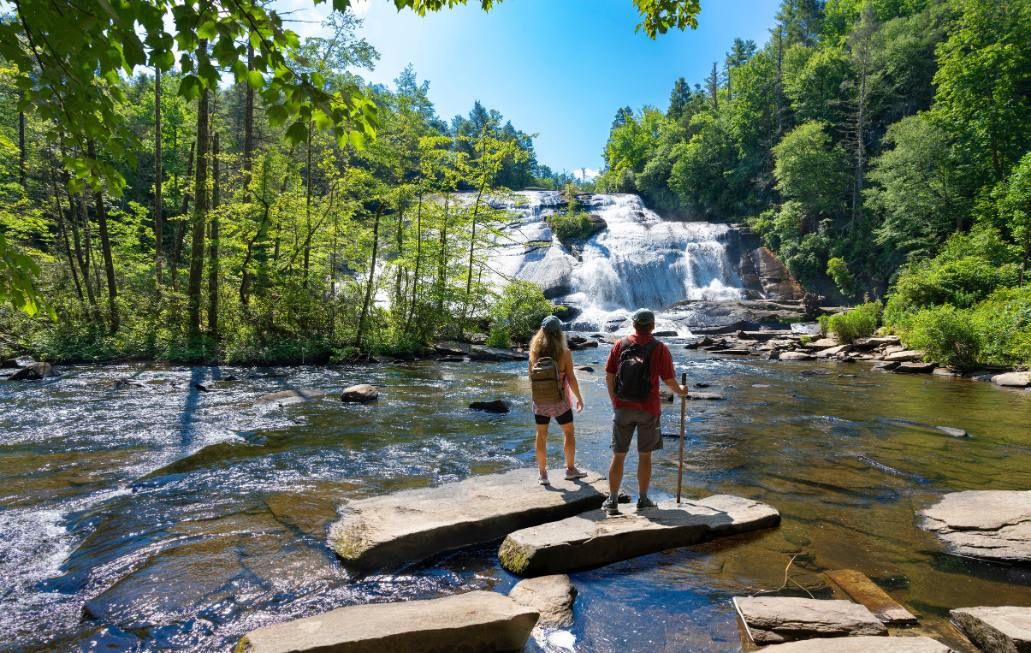
Tucked into the Blue Ridge Mountains and a gateway to Great Smoky Mountains National Park, Asheville has one of the country's deepest farm-to-table cultures. Independent restaurants, the WNC Cheese Trail, tailgate markets, and local biodiesel producers weave sustainability directly into the local economy.
Add the North Carolina Arboretum and the protected corridor of the Blue Ridge Parkway, and you have one of the more appealing green travel destinations in the Southeast. Visitors here directly support small businesses, which makes Asheville a rewarding pick among eco-friendly vacation ideas in the U.S. You can arrange a private transfer from Asheville Regional Airport through LUXY car service in North Carolina.
Acadia National Park and Bar Harbor, Maine

Acadia is built for low-impact visits. The free, propane-powered Island Explorer shuttle connects Bar Harbor hotels with trailheads, beaches, and town, and the park's 45 miles of historic carriage roads are closed to cars and open to walkers and cyclists.
That car-light setup, plus rocky coastline and family-friendly trails, makes Acadia one of the best sustainable family vacation destinations and a model for eco-friendly national park vacations. Many travelers fly into Bangor, and instead of renting a car for the scenic drive to the coast, you can book arranged transport through LUXY's nationwide chauffeur service, then rely on the Island Explorer once you arrive.
Jackson Hole, Wyoming

Jackson Hole became the first EarthCheck-certified sustainable destination in North America, and nearly 97 percent of surrounding Teton County is protected from development. As a gateway to both Grand Teton and Yellowstone, it anchors the Greater Yellowstone Ecosystem, one of the largest nearly intact temperate ecosystems on the planet.
Wildlife viewing, alpine hiking, and sustainability-minded lodges place Jackson Hole among the standout luxury eco-friendly travel destinations in the West. You can arrange a private transfer to and from the airport through LUXY Jackson Hole car service and leave the rental car behind.
AAA's Picks for Top 5 Eco-Tourism Destinations
The four picks above sit alongside five states that AAA highlights as standout eco-tourism destinations in the U.S. We recommend AAA's guide to top U.S. ecotourism destinations as the even more inspiration for anyone mapping out a nature-based trip.
- Alaska: Alaska ecotourism centers on raw wilderness, from the wildlife and glaciers of Denali to more than one hundred national and state parks. The state's Adventure Green Alaska program certifies operators that meet sustainability standards, so responsible options are easy to find.
- California: California ecotourism destinations range from the ancient redwood forests to Yosemite, most of which is protected from development, plus Monterey Bay for whale watching by low-impact tour.
- Florida: Florida eco-tourism destinations include the Everglades, a UNESCO World Heritage Site, and the Keys, home to the only living coral reef in the continental United States.
- Colorado: Colorado sustainable travel means Rocky Mountain National Park, river rafting through protected canyons, and the sandstone formations of Garden of the Gods.
- Hawaii: Hawaii sustainable tourism is rooted in the local value of malama aina, or care for the land, a philosophy visitors can honor through reef-safe practices, farm tours, and tree-planting experiences.
Ecotourism comes down to the choices you make along the way, and how you get around is one of them. Book arranged ground transport with LUXY, skip the rental car, and start your trip with a smaller footprint and upfront pricing.
Ecotourism FAQ
What is ecotourism?
Ecotourism is responsible travel to natural areas that helps protect the environment, supports local communities, and educates visitors about the destination. Unlike a traditional nature vacation, genuine ecotourism considers how the trip affects local ecosystems, wildlife, culture, and the economy, right down to how you handle ground transportation.
What are the best ecotourism destinations in the United States?
Popular ecotourism destinations include Alaska, California, Colorado, Florida, and Hawaii, along with under-the-radar spots such as Sedona, Asheville, Acadia, and Jackson Hole. Travelers can explore places like Denali, California's redwood forests, the Rocky Mountains, the Florida Everglades, and Hawaii's volcanic landscapes while supporting conservation programs and responsible local operators.
What is the difference between ecotourism and sustainable tourism?
Ecotourism usually focuses on responsible travel in natural areas, including wildlife destinations, forests, coastlines, and national parks. Sustainable tourism is a broader concept that applies to nearly every type of trip and considers the environmental, social, and economic effects of tourism on a destination.
How can I make my vacation more eco-friendly?
Travelers can reduce their impact by choosing environmentally responsible accommodations, supporting locally owned businesses, carrying reusable products, and respecting wildlife. Other helpful steps include staying on marked trails, avoiding single-use plastics, following the destination's waste and recycling rules, and booking lower-impact ground transport such as arranged rides through the LUXY platform rather than renting a car. The National Park Service also recommends planning ahead, using durable surfaces, disposing of waste properly, and leaving natural objects where they are found.
Are national parks considered ecotourism destinations?
National parks can be excellent ecotourism destinations when visitors explore them responsibly. Following posted regulations, remaining on designated trails, keeping a safe distance from wildlife, and carrying out all trash helps protect the environment while supporting the park's conservation mission.
Which U.S. states are best for sustainable travel?
There is no single official ranking, but Alaska, California, Colorado, Florida, and Hawaii offer especially strong opportunities for nature-based travel. These states include national parks, protected coastlines, mountain environments, wildlife viewing, and locally operated outdoor experiences, and states like Arizona, North Carolina, Maine, and Wyoming are strong options too.
How can travelers support local communities while on vacation?
Travelers can support a destination by booking locally owned accommodations, hiring local guides, eating at independent restaurants, and buying products made by local artists and businesses. Choosing experiences that preserve local culture and keep tourism spending within the community is an important part of sustainable travel.
What should I look for in an eco-friendly hotel?
Look for transparent information about the hotel's energy use, water conservation, waste reduction, recycling, and local sourcing programs. Reputable third-party sustainability certifications provide more assurance than vague claims such as green or eco-conscious, and the certification standard should address environmental, economic, and community impacts.
How can I reduce my carbon footprint while traveling?
Consider taking fewer but longer trips, combining nearby activities into one itinerary, and choosing walking, biking, rail, or shared transportation where practical. Travelers can also avoid unnecessary vehicle trips, select energy-efficient accommodations, and use a carbon-footprint calculator to understand how transportation choices affect their overall impact. Transportation is one of the largest sources of U.S. greenhouse-gas emissions, which makes both ground and air transportation important considerations when planning a sustainable trip. Booking arranged ground transport through LUXY instead of a rental car is one way to trim the ground portion of that footprint.
What are some eco-friendly transportation options for travelers?
Depending on the destination, sustainable options can include trains, public buses, shared shuttles, bicycles, walking, and electric or hybrid vehicles. When private transportation is necessary, route optimization and combining travel needs help reduce unnecessary mileage and empty vehicle trips, which is the idea behind LUXY LOOPs. Booking arranged transport that fills empty legs is one of the more practical ways to keep a trip low-impact without giving up comfort.
Popular Categories
Related Articles
Ecotourism Destinations in the US: 2026 Guide
Explore the best ecotourism destinations in the United States, from Sedona to Jackson Hole, plus sustainable travel tips and greener rides with LUXY.

How Can I Travel More Sustainably? Smart Tips for Eco-Friendly Trips
Learn how to travel more sustainably with smarter airport transportation, greener hotels, and eco-friendly planning tips for business and leisure trips.

How LUXY Loops Are Redefining Sustainable Transportation in Premium Travel
Discover how LUXY Loops power sustainable transportation services with eco friendly car service, shared executive transportation, and corporate sustainability transportation solutions.